

Thriving bonsai: Your ultimate care guide
Welcome to Bonsai of Gresham's care guide, where we share our expert tips to help your bonsai flourish. Learn the secrets to watering, location, nutrients, and troubleshooting common issues. Let's ensure your bonsai thrives under your care!
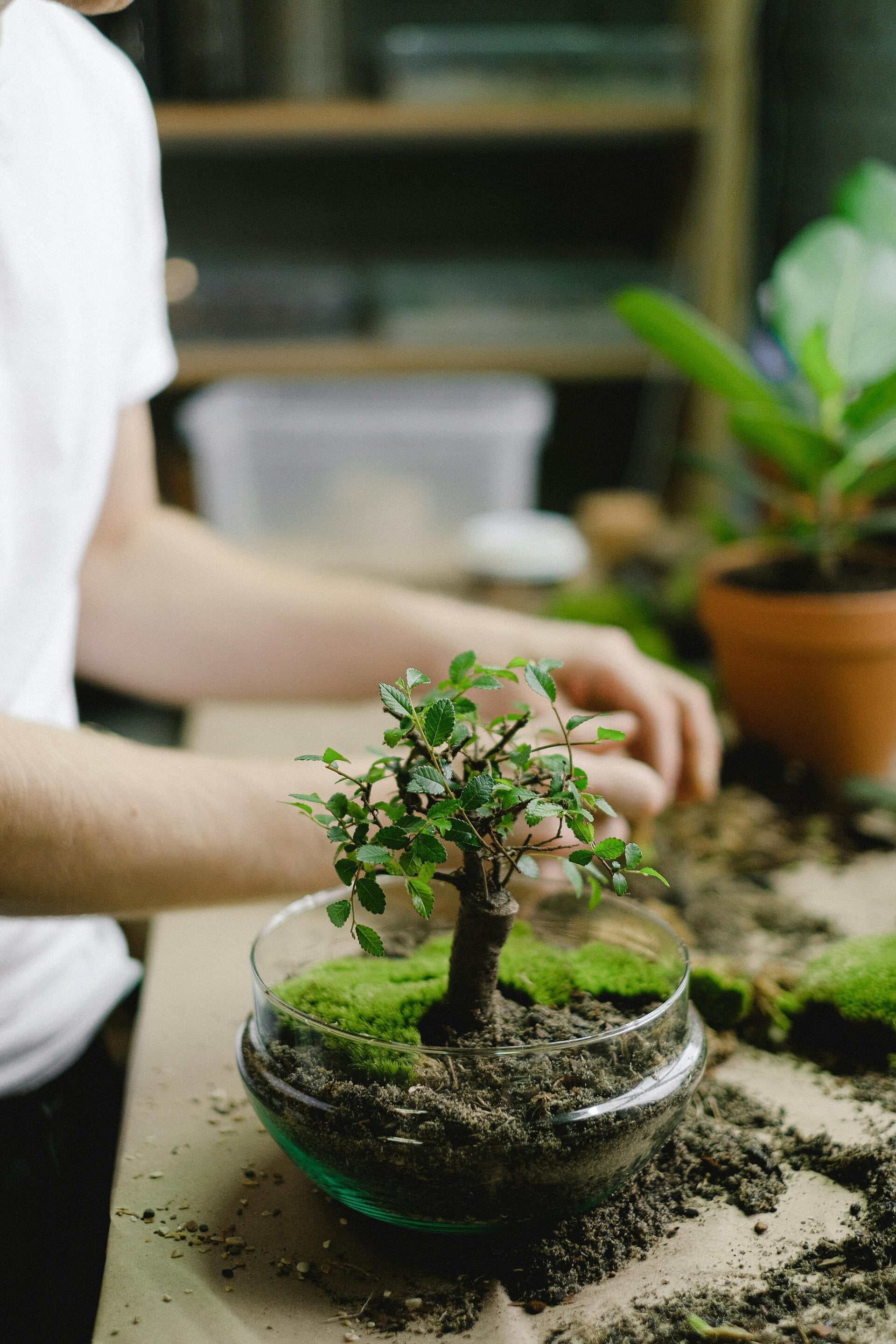
Top 3 tips for a thriving bonsai
1. Master the Art of Watering: The #1 cause of bonsai death is improper watering. Instead of watering on a schedule, check the soil daily. If the top layer feels slightly dry, water the tree thoroughly until it drains out of the bottom of the pot. Never let the soil go completely bone-dry, but avoid keeping it "swampy," as this can lead to root rot.
2. Location, Location, Location: Bonsai are trees, not typical houseplants. Most varieties (like Junipers and Maples) thrive outdoors where they can experience natural light and seasonal temperature changes. If you have an indoor variety like a Ficus, place it in a bright window with plenty of indirect sunlight. Avoid placing any bonsai near heaters or AC vents, which can dry out the foliage.
3. Consistency with Nutrients: Because bonsai live in a very small amount of soil, they quickly exhaust the available nutrients. To keep your tree vibrant and growing, use a balanced, water-soluble fertilizer during the growing season (usually spring through early autumn). Always follow the specific dosage instructions for your tree's variety to avoid "burning" the roots with too much fertilizer. We use a 4-4-4 organic preplant starter fertilizer before it's shipped to you. Keep an eye on your plant and switch up to a 6-6-6-slow release type fertilizer when it needs it.
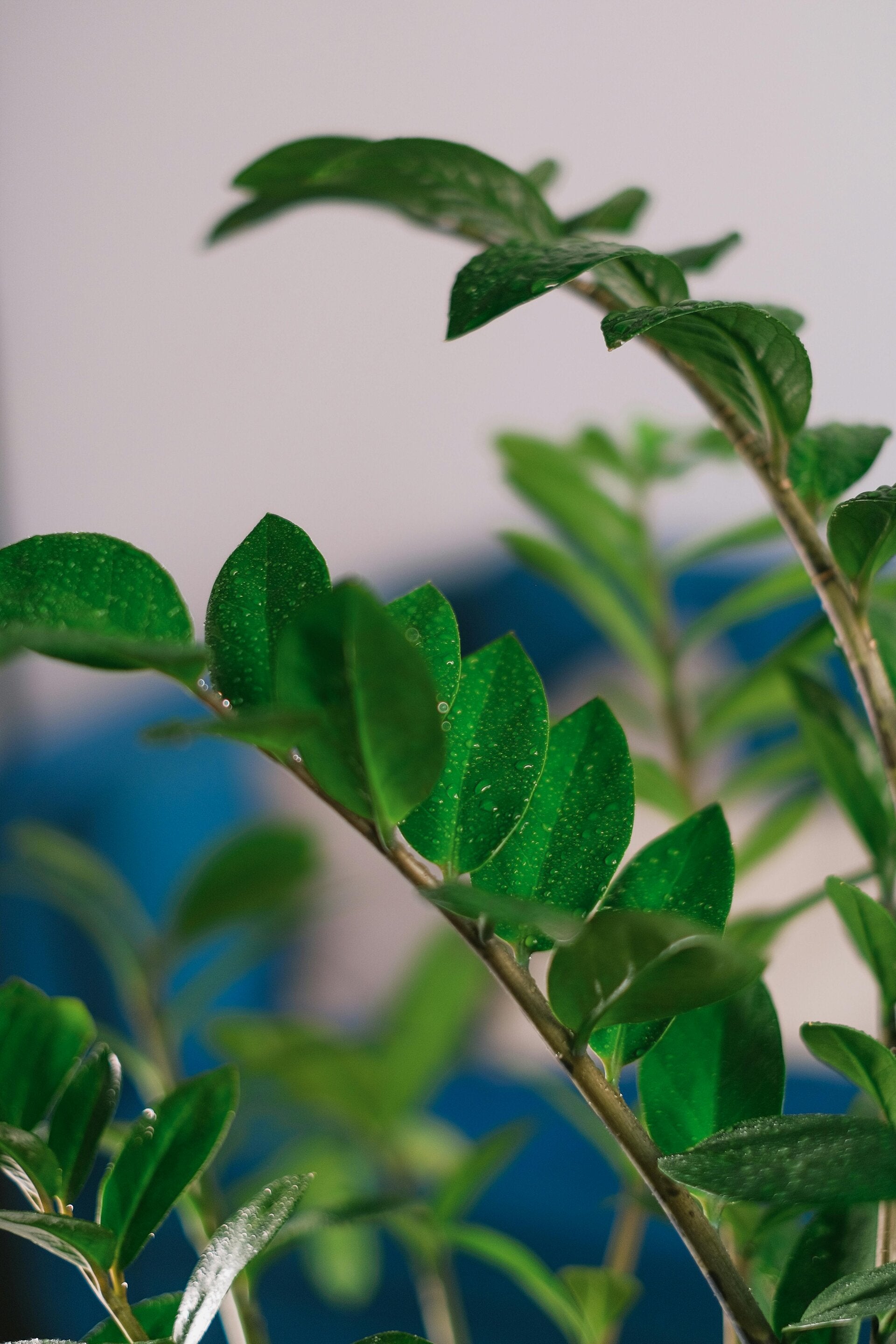
Troubleshooting common bonsai issues
Even with the best intentions, bonsai can run into trouble. Here are the most frequent issues our customers face and the simple steps to prevent them:
1. The "Silent Killer": Overwatering and Root Rot
The Issue: When a bonsai stays constantly "swampy," the roots can’t breathe. This leads to root rot, which often looks like yellowing leaves or black, mushy branch tips.
How to Avoid It: Never water on a strict calendar. Always use the "Finger Test": push your finger about a half-inch into the soil. If it feels damp, wait. Only water when the top layer feels slightly dry. Ensure your pot has drainage holes and use a high-quality, gritty bonsai soil mix that allows air to reach the roots.
2. The "Crispy Crown": Dehydration
The Issue: Because bonsai live in small pots, they can dry out in just a few hours on a hot day. Brittle, curling, or "crunchy" leaves are a sign your tree is dangerously thirsty.
How to Avoid It: Check your tree every single day, especially in the summer. If you live in a windy or hot area like Gresham, you may even need to check it twice a day. If the soil becomes bone-dry, "bottom water" the tree by sitting the pot in a basin of water for 10 minutes to ensure the root ball is fully saturated.
3. The "Indoor Trap": Light Starvation
The Issue: Many people treat bonsai like indoor decor, but most (like Junipers or Maples) are outdoor trees. Indoors, they often become "leggy" (long, weak gaps between leaves) or lose their leaves entirely because they aren't getting enough UV light.
How to Avoid It: Identify your species! If it’s a temperate tree, keep it outside year-round. If it’s a tropical variety (like a Ficus) meant for indoors, place it within 2–3 feet of a bright, south-facing window. If your home is dim, a dedicated LED grow light can save your tree’s life.
4. Uninvited Guests: Pests (Aphids & Mites)
The Issue: Tiny insects like aphids, scale, or spider mites can sap the energy from your tree. You might notice sticky residue on the leaves or tiny webs.
How to Avoid It: Inspect your tree weekly. A simple preventative measure is to occasionally spray the foliage with a mixture of water and a few drops of dish soap (Neem oil is also a great organic choice). Keeping your tree healthy and well-fed is its best natural defense against pests.
Our "root-first" philosophy
At Bonsai of Gresham, founded by Brian and Raylan, we believe a great bonsai starts long before it hits a ceramic pot. While others focus on the "look" of a finished tree, we focus on the health of the liner. By specializing in high-quality starter plants and liners, we ensure your bonsai has a vigorous, healthy root system from day one. We give you the perfect foundation so you can experience the true joy of the hobby: growing and shaping your tree over time, not just maintaining someone else's work.
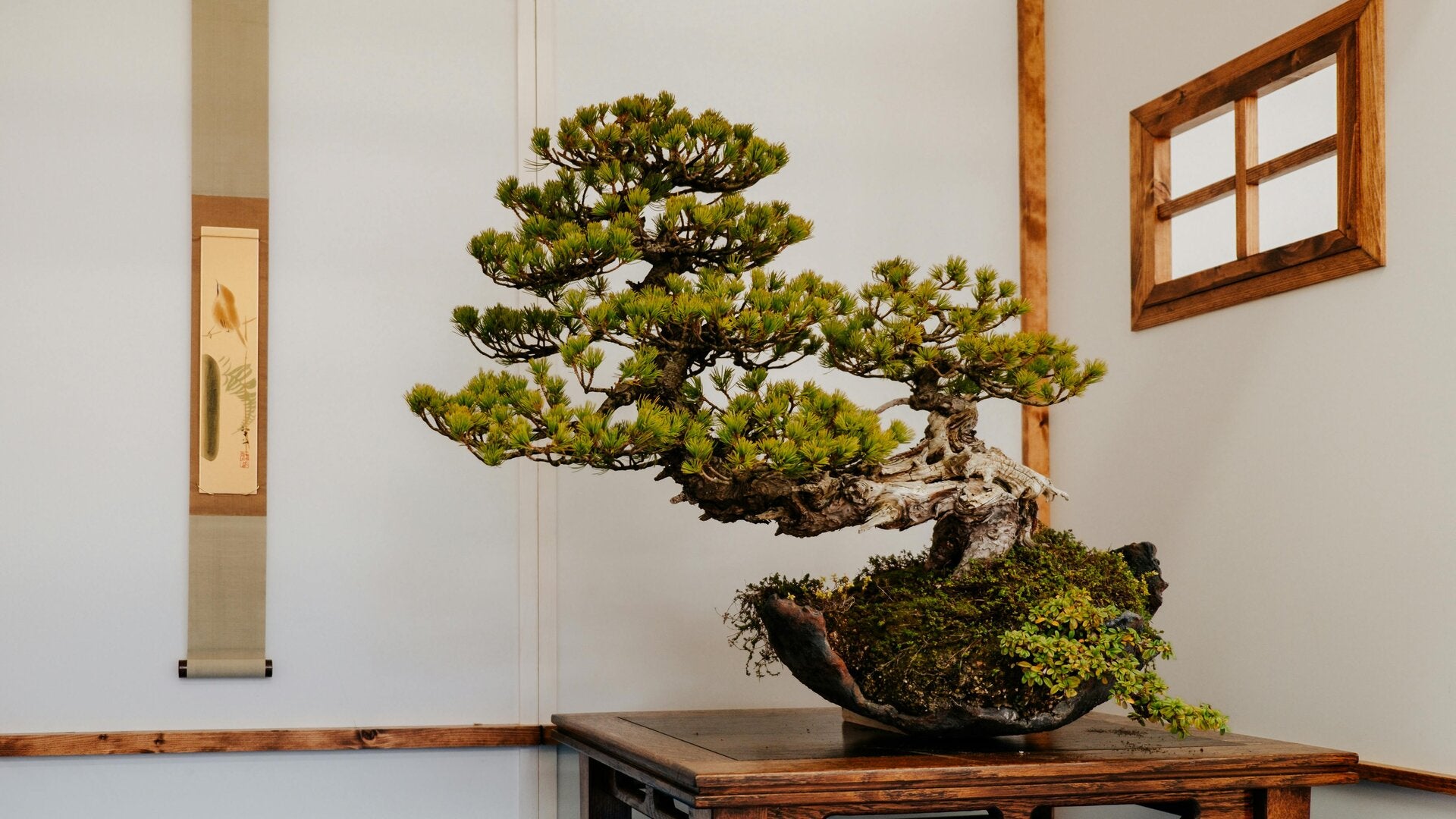
Bonsai styles for beginners
Starting your bonsai journey is easier when you work with the tree's natural growth habit. Here are the five most accessible styles for beginners:
1. Formal Upright (Chokkan)
This is the classic "Christmas Tree" look. It features a perfectly straight, vertical trunk that tapers as it reaches the top.
Why it’s great for beginners: It teaches you the basics of branch placement and symmetry.
Best trees: Most conifers, like Junipers or Spruce.
2. Informal Upright (Moyogi)
This is the most popular bonsai style. The trunk has a series of "S" curves, but the very top of the tree (the apex) still sits directly over the center of the base.
Why it’s great for beginners: It is very forgiving! If a branch grows a little "wrong," it just adds to the character of the curves.
Best trees: Maples (like your Acer palmatum), Chinese Elms, and Junipers.
3. Slanting (Shakan)
In this style, the entire tree leans to one side at an angle, as if it grew toward the sun or was pushed by a constant wind.
Why it’s great for beginners: It creates a lot of visual "drama" with very little complicated wiring.
Best trees: Almost any species can be grown in a slanting style.
4. Broom Style (Hokidachi)
Think of a classic deciduous tree in a park. It has a straight trunk, but the branches fan out in all directions to create a rounded "lollipop" or broom-shaped canopy.
Why it’s great for beginners: It doesn't require heavy wiring. Much of the shaping is done through simple pruning.
Best trees: Deciduous trees with fine branching, like Elms or Zelkova.